
Choosing the right heating furnace is not just about reaching a target temperature. Buyers usually worry about uneven heating, product discoloration, wasted energy, difficult maintenance, long downtime, and uncertainty after installation. This article explains what really matters when selecting a heating furnace, how different furnace designs solve different production problems, and which questions should be answered before investing. It also introduces how Shenzhen Alpha Tech Co., Ltd. approaches practical furnace design for manufacturers that want steady output, cleaner processing, and more predictable operating costs.
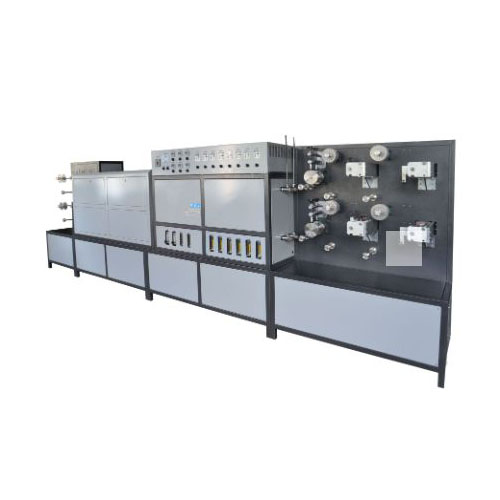
Most buyers do not struggle because they lack options. They struggle because too many options sound similar on paper. A heating furnace may promise stable temperature control, but the real question is whether it can hold consistency across the entire chamber, whether it protects product quality, and whether it keeps production moving instead of creating delays.
In real factory settings, the pain points are usually very specific. A jewelry manufacturer may need bright annealing without vibration-related defects. A metal processor may care more about throughput, repeatability, and the ability to run multiple tasks with fewer interruptions. Another buyer may simply want to reduce scrap, avoid oxidation problems, or shorten the learning curve for operators. That is why a heating furnace should never be chosen as a generic machine. It should be chosen as a process solution.
This is also where many purchasing conversations go wrong. Sellers talk about power, dimensions, and temperature ranges, while buyers are thinking about rework, color variation, rejected batches, energy bills, and maintenance headaches. Those are not the same conversation. A better discussion begins with production goals, failure points, and the quality standards the finished product must meet.
A reliable heating furnace should do more than heat material. It should support a stable process from start to finish. If the furnace reaches the required temperature but creates uneven distribution, it can still damage yield. If it performs well but takes too long to service, it can still hurt output. If it looks affordable at first but consumes excessive energy or wears parts too quickly, the real cost shows up later.
In practical terms, most buyers should evaluate a heating furnace through the following priorities:
When these factors align, the heating furnace becomes part of a smoother production system. When they do not, even a technically functional machine can become a daily frustration.
| Buyer Concern | What It Means in Daily Production | Why It Matters |
|---|---|---|
| Uneven heating | Different parts or batches receive different thermal results | Can lead to discoloration, inconsistent mechanical properties, or added rework |
| Slow setup or maintenance | Operators lose time changing components or handling service tasks | Reduces throughput and increases downtime |
| Poor furnace match | The machine does not fit the actual material or production method | Creates quality issues even if the furnace itself works correctly |
| Weak after-sales support | Questions, spare parts, or adjustments take too long | Can delay production recovery when problems appear |
Not every heating furnace is built for the same job. Some lines need melting performance and alloy consistency. Others need stable annealing, bright finishing, or continuous processing. The best purchasing decisions come from matching furnace structure to process requirement rather than choosing the broadest specification sheet.
For example, one class of heating furnace is used where melt quality and homogeneity matter. Another is designed more around passage-based heating, where continuous or semi-continuous movement through the furnace can improve productivity. In some designs, internal fan circulation helps keep temperature distribution more even across the chamber, which is valuable when uniform treatment affects surface quality and final product consistency.
For many buyers, the real question is not “Which furnace is best?” but “Which heating furnace best supports my workflow?” That distinction changes everything.
| Furnace Direction | Best For | Typical Buyer Goal |
|---|---|---|
| Melting-focused heating furnace | Alloy preparation and controlled melting tasks | Better homogeneity, cleaner melting process, faster setup changes |
| Passage-style heating furnace | Annealing lines and continuous material flow applications | More even temperature distribution, improved efficiency, smoother line operation |
| Static furnace configuration | Processes that prioritize hold control and chamber stability | Stable heating environment for specific material treatment needs |
Buyers in wire, chain, jewelry, and light metal processing often benefit from understanding this distinction early. It prevents a common mistake: buying a heating furnace that looks powerful but is designed around a different production rhythm.
A simple checklist can make furnace comparison much clearer. Instead of collecting ten quotations and comparing only price, ask each supplier the same practical questions. The quality of the answers usually tells you more than the brochure.
The strongest proposals are usually the ones that answer application questions directly. If a supplier spends too much time repeating generic claims but avoids process details, that is a signal buyers should notice.
A good comparison also considers the total operating picture. The lowest purchase price does not always produce the lowest production cost. If a slightly better heating furnace reduces defects, saves labor, improves heating consistency, and shortens maintenance cycles, it may deliver better value over the life of the equipment.
One of the biggest mistakes is buying around headline specifications without connecting them to real production conditions. Another is assuming all heating furnace suppliers provide the same level of technical guidance. In reality, the machine and the service behind the machine are closely connected.
Buyers also run into trouble when they overlook the following:
A more disciplined purchasing approach asks what the heating furnace must solve in the first month, the first year, and under expanded production later. That mindset usually leads to better machine selection and fewer surprises after commissioning.
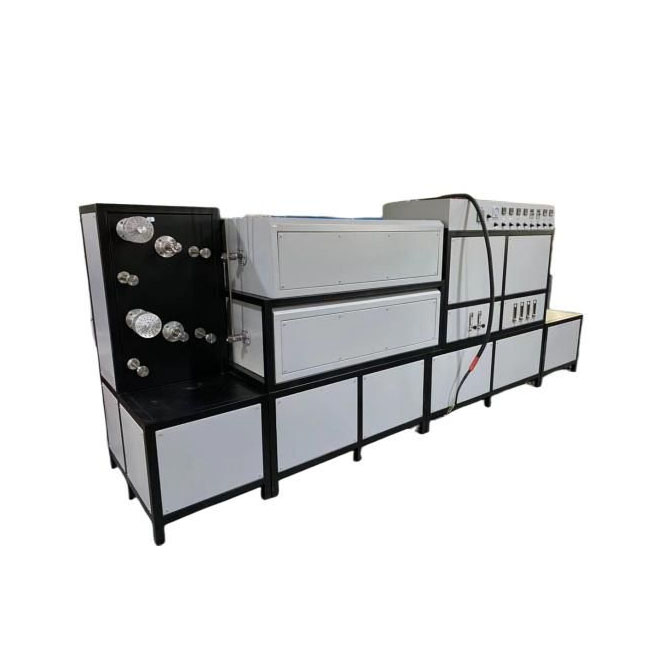
Even a strong heating furnace becomes difficult to manage when communication is poor. Buyers need clear answers, honest recommendations, and responsive support. That is especially true when the furnace is part of a broader production line and any interruption affects delivery schedules.
Shenzhen Alpha Tech Co., Ltd. is known in this field for offering equipment across related processing categories, including heating furnace solutions connected to jewelry and metalworking applications. For buyers, that matters because a supplier with process familiarity can often speak more precisely about application fit, maintenance access, and production concerns than a seller who only repeats standard machine parameters.
The right supplier should help buyers narrow choices, not confuse them. They should be able to explain whether a passage-style heating furnace makes more sense than a static alternative, whether a melting-oriented system is more suitable, and how the selected model supports both output and product quality. That kind of guidance saves time before purchase and reduces friction after installation.
| What Buyers Need | What a Strong Supplier Provides |
|---|---|
| Confidence before purchase | Clear model guidance based on actual application details |
| Smoother installation | Practical communication, preparation support, and timely coordination |
| Steady operation after delivery | Service responsiveness, troubleshooting help, and parts support |
| Longer-term production flexibility | Recommendations that consider future process growth, not only current budget |
Is a more expensive heating furnace always the better choice?
Not necessarily. The better choice is the one that fits the process correctly, holds temperature consistently, and avoids hidden operating losses. A cheaper machine that causes defects or downtime can become more expensive in the long run.
What should I ask before ordering a heating furnace?
Ask about process fit, temperature uniformity, maintenance convenience, expected wear parts, delivery scope, and technical support. You should also explain your material type, production target, and quality requirements so the recommendation is based on actual use.
Which heating furnace is better for continuous production?
In many cases, a passage-style heating furnace is more suitable for continuous or line-based work because it supports flow efficiency and can help maintain more consistent thermal treatment across ongoing production.
Why does heating uniformity matter so much?
Because the entire batch depends on it. Poor uniformity can lead to inconsistent finish, unwanted color change, variable material behavior, and higher reject rates.
Can one heating furnace handle different tasks?
Sometimes, but it depends on the process range and design. A furnace that performs very well for one application may not be ideal for another. It is better to confirm intended usage in detail before assuming one model can do everything well.
A heating furnace is not a background machine. It affects product appearance, process consistency, delivery speed, operating cost, and customer confidence in the finished result. That is why the best buying decision usually comes from matching the machine to the real production problem, not from chasing the broadest claim or the lowest figure on a quotation sheet.
If you are evaluating a new heating furnace for melting, annealing, or continuous thermal processing, take the time to compare process fit, heating stability, maintenance practicality, and supplier communication. If you want a solution that is easier to understand and easier to apply to real production needs, Shenzhen Alpha Tech Co., Ltd. is worth considering. For tailored recommendations, model guidance, and a more direct discussion about your application, contact us and let’s find the right heating furnace for your production goals.


