
In today's highly competitive wire manufacturing industry, production efficiency, wire consistency, and operational reliability are critical factors for success. A 12 Passage Wire Drawing Machine is designed to streamline multi-stage wire reduction processes while maintaining excellent dimensional accuracy and surface quality. As a trusted manufacturer, ALPHA provides advanced 12 Passage Wire Drawing Machine solutions that help wire producers achieve higher productivity, lower energy consumption, and superior finished wire performance.
This article explores the working principles, advantages, technical specifications, applications, maintenance requirements, and purchasing considerations of a 12 Passage Wire Drawing Machine, helping manufacturers understand why this equipment has become an essential investment in modern wire processing facilities.
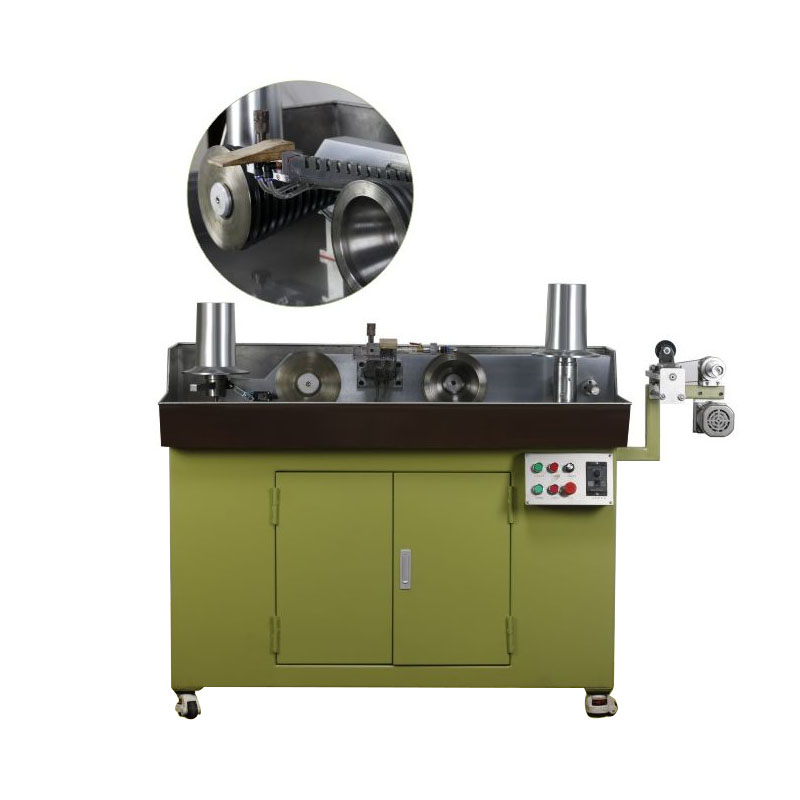
What Is a 12 Passage Wire Drawing Machine?
How Does a 12 Passage Wire Drawing Machine Work?
Key Advantages of a 12 Passage Wire Drawing Machine
Major Components and Structure
Technical Specifications Overview
Industry Applications
Comparison with Conventional Wire Drawing Machines
How to Select the Right Machine
Maintenance and Best Practices
Future Trends in Wire Drawing Technology
Frequently Asked Questions
Conclusion
A 12 Passage Wire Drawing Machine is an advanced wire processing system designed to reduce wire diameter progressively through twelve consecutive drawing dies. Each passage decreases the wire diameter while improving tensile strength, dimensional precision, and surface finish.
The machine enables continuous wire reduction without frequent interruptions, making it highly suitable for large-scale industrial production. By integrating multiple drawing stages into a single production line, manufacturers can significantly improve throughput and maintain consistent wire quality.
This type of machine is commonly used for processing:
The wire drawing process begins with a wire rod being fed into the machine. The material passes sequentially through twelve drawing dies, each reducing the wire diameter incrementally.
The process typically follows these steps:
Because the reduction is distributed across twelve stages, stress on the material is minimized, resulting in improved mechanical properties and reduced wire breakage.
The multi-pass configuration enables continuous operation with fewer interruptions, significantly increasing production capacity.
Progressive reduction ensures consistent diameter accuracy and excellent surface finish.
Gradual deformation minimizes stress concentration, lowering the risk of wire snapping during production.
Modern drive systems and optimized mechanical structures reduce power consumption while maintaining output levels.
Many modern machines integrate PLC control systems, touch-screen interfaces, and automatic monitoring functions.
Robust construction and premium components help ensure reliable long-term performance.
A high-quality 12 Passage Wire Drawing Machine typically consists of the following components:
| Component | Function |
|---|---|
| Drawing Dies | Reduce wire diameter progressively |
| Capstan Drums | Provide pulling force for drawing |
| Main Motor | Drives the drawing system |
| Transmission System | Transfers power efficiently |
| Lubrication Unit | Reduces friction and die wear |
| Cooling System | Controls operating temperature |
| Control Panel | Monitors and adjusts production parameters |
| Take-Up Device | Collects finished wire products |
The specifications of a 12 Passage Wire Drawing Machine may vary depending on production requirements.
| Parameter | Typical Range |
|---|---|
| Drawing Passages | 12 |
| Input Wire Diameter | 5.5mm – 8.0mm |
| Output Wire Diameter | 0.8mm – 3.5mm |
| Drawing Speed | 5m/s – 25m/s |
| Main Motor Power | 55kW – 160kW |
| Control System | PLC + Touch Screen |
| Cooling Method | Water Cooling |
| Lubrication | Dry or Wet Drawing |
The versatility of a 12 Passage Wire Drawing Machine makes it suitable for numerous industries.
| Feature | 12 Passage Machine | Traditional Machine |
|---|---|---|
| Production Speed | High | Moderate |
| Automation Level | Advanced | Basic |
| Wire Quality | Excellent | Variable |
| Labor Requirement | Lower | Higher |
| Energy Efficiency | Better | Average |
| Operational Stability | High | Medium |
When choosing a 12 Passage Wire Drawing Machine, manufacturers should consider several key factors:
Partnering with an experienced manufacturer such as ALPHA ensures access to customized solutions, professional engineering support, and dependable after-sales service.
Proper maintenance is essential for maximizing machine lifespan and maintaining production efficiency.
Preventive maintenance significantly reduces downtime and enhances production reliability.
As Industry 4.0 continues to transform manufacturing, wire drawing machines are becoming increasingly intelligent and connected.
Emerging trends include:
Manufacturers adopting these technologies can gain significant advantages in productivity, quality control, and operating cost reduction.
The machine can process steel wire, copper wire, aluminum wire, galvanized wire, welding wire, and various alloy wires.
Twelve passages allow gradual diameter reduction, reducing material stress while improving wire quality and minimizing breakage.
Yes. The multi-stage design is specifically developed for continuous, large-scale wire manufacturing operations.
Progressive drawing ensures consistent diameter control, smoother surfaces, and improved mechanical properties.
Most modern models support PLC controls, touch-screen interfaces, speed synchronization, and automated monitoring systems.
Replacement frequency depends on production volume, material type, and maintenance practices, but regular inspection is highly recommended.
Production capacity, wire specifications, energy efficiency, automation level, technical support, and supplier experience are all important considerations.
A 12 Passage Wire Drawing Machine represents a highly efficient and technologically advanced solution for modern wire manufacturing. By combining multi-stage diameter reduction, automated control systems, energy-efficient operation, and superior wire quality, it enables manufacturers to meet increasing market demands while maintaining cost competitiveness.
Whether you produce steel wire, copper wire, galvanized wire, welding wire, or specialty industrial wire, investing in a high-performance drawing machine can dramatically improve productivity and product consistency. If you are looking for a reliable and customized 12 Passage Wire Drawing Machine solution, ALPHA offers professional engineering expertise, advanced manufacturing capabilities, and comprehensive technical support. Contact us today to discuss your production requirements and discover how our wire drawing solutions can help your business achieve greater efficiency, higher quality, and long-term success.


