A Heating Furnace is the backbone of indoor thermal comfort in residential, commercial, and industrial environments. In this in-depth guide, we explore how a heating furnace works, what types are available, why energy efficiency matters, and which factors should guide your purchasing decision. From operational principles to maintenance best practices, this article is designed to help decision-makers, engineers, and facility managers make informed choices.
What Is a Heating Furnace?
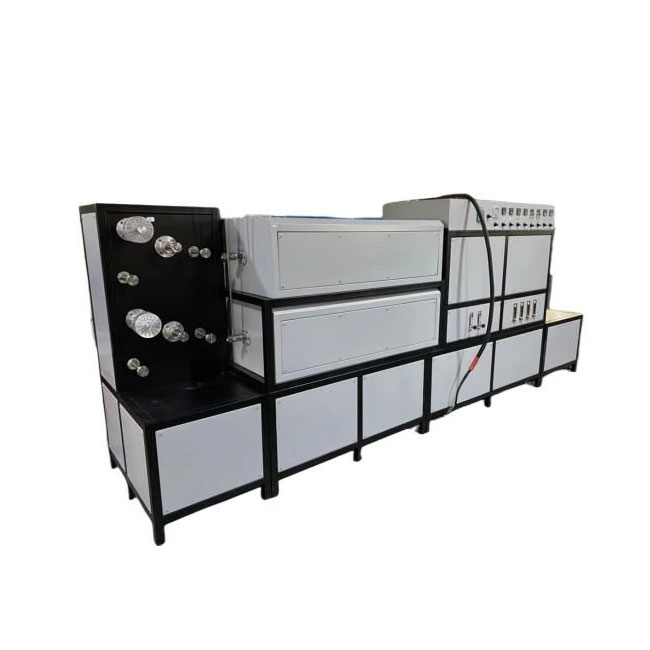
A heating furnace is a mechanical system designed to generate and distribute heat throughout a building or process environment. It converts energy—such as gas, electricity, oil, or biomass—into thermal energy, which is then delivered via air, water, or steam.
In modern HVAC systems, the heating furnace plays a critical role in maintaining stable indoor temperatures, protecting equipment, and ensuring occupant comfort. Manufacturers like ALPHA focus on balancing durability, efficiency, and intelligent control to meet evolving energy standards.
How Does a Heating Furnace Work?
While designs vary, most heating furnaces follow a similar operational cycle:
-
Fuel or electricity is supplied to the furnace
-
The heat exchanger converts energy into heat
-
Heat is transferred to air or fluid
-
A blower or pump distributes the heat
-
Thermostats regulate output automatically
Advanced heating furnace systems integrate sensors, variable-speed motors, and smart controls to optimize energy usage and reduce heat loss.
Which Types of Heating Furnace Are Commonly Used?
|
Heating Furnace Type
|
Energy Source
|
Main Advantages
|
Typical Applications
|
|
Gas Heating Furnace
|
Natural Gas / LPG
|
High efficiency, fast heating
|
Residential, commercial
|
|
Electric Heating Furnace
|
Electricity
|
Low maintenance, clean operation
|
Homes, small facilities
|
|
Oil Heating Furnace
|
Fuel Oil
|
Strong heat output
|
Remote or cold regions
|
|
Industrial Heating Furnace
|
Multiple energy options
|
High capacity, durability
|
Manufacturing, processing
|
Why Does Energy Efficiency Matter in a Heating Furnace?
Energy efficiency is no longer optional—it directly affects operational cost, environmental impact, and regulatory compliance. A high-efficiency heating furnace can convert over 90% of its energy input into usable heat.
-
Lower monthly energy bills
-
Reduced carbon emissions
-
Longer equipment lifespan
-
Improved indoor comfort consistency
At ALPHA, furnace designs prioritize optimized combustion and heat exchange to help customers achieve sustainable heating solutions.
How to Choose the Right Heating Furnace?
Selecting the right heating furnace depends on several technical and operational factors:
-
Building size and insulation level
-
Local climate conditions
-
Available energy sources
-
Efficiency ratings (AFUE or thermal efficiency)
-
Maintenance and lifecycle costs
Consulting experienced manufacturers and system integrators ensures that the heating furnace aligns with long-term performance goals.
What Maintenance and Safety Practices Are Essential?
Proper maintenance is crucial for the safe and efficient operation of any heating furnace. Neglect can lead to energy loss, safety risks, or unexpected downtime.
-
Inspect heat exchangers regularly
-
Clean burners and filters
-
Check ventilation and exhaust systems
-
Calibrate thermostats and sensors
-
Schedule annual professional inspections
Which Industries Rely on Heating Furnaces?
Heating furnaces are widely used across multiple industries:
-
Residential housing and apartments
-
Commercial offices and shopping centers
-
Manufacturing and processing plants
-
Warehousing and logistics facilities
-
Healthcare and educational institutions
Each application requires tailored furnace capacity, control logic, and safety compliance.
FAQ About Heating Furnaces
What is the lifespan of a heating furnace?
Most heating furnaces last between 15 and 25 years, depending on usage, maintenance, and operating conditions.
How often should a heating furnace be serviced?
Annual servicing is recommended to ensure efficiency, safety, and compliance with regulations.
Is a high-efficiency heating furnace worth the investment?
Yes. Although upfront costs may be higher, long-term energy savings and reduced emissions often justify the investment.
Can a heating furnace be customized?
Many manufacturers, including ALPHA, offer customized heating furnace solutions based on capacity, control systems, and application needs.
Conclusion
A heating furnace is more than just a heat source—it is a critical system that influences comfort, efficiency, and operational reliability. Understanding how it works and how to select the right model empowers you to make smarter, future-proof decisions.
If you are evaluating or upgrading a heating furnace system and want expert guidance, the team at ALPHA is ready to help. Contact us today to discuss your project requirements and discover reliable heating solutions tailored to your needs.


