
Understanding this distinction is crucial for selecting the right equipment to optimize your production quality, cost, and efficiency. At ALPHA, we specialize in engineering high-performance rolling mills for both processes, and we’re here to demystify the choice for you.
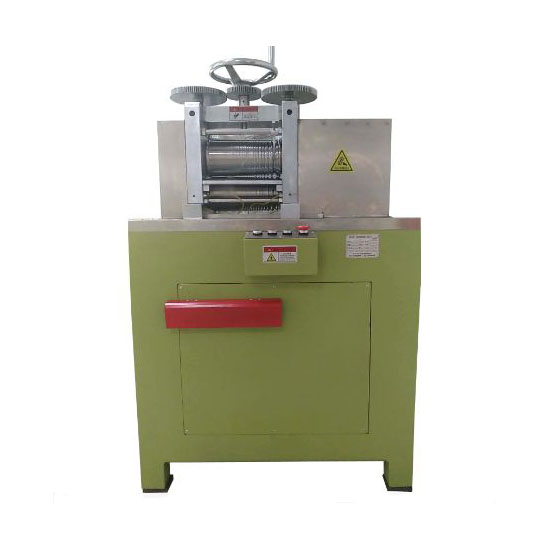
What Exactly Is a Hot Rolling Mill Process
Imagine shaping metal like molding warm clay. That’s the essence of hot rolling. A hot rolling mill processes metal above its recrystallization temperature—typically over 1700°F for steel. The material is more malleable, allowing for massive shape reductions with less force. The primary goal here is to transform large ingots or slabs into standardized profiles like sheets, plates, or structural beams. When we at ALPHA design our hot rolling mills, we focus on robustness and high tonnage capacity to withstand these extreme conditions.
Key product parameters for our hot rolling mill solutions include:
Maximum Operating Temperature: 2300°F (1260°C)
Typical Reduction in Thickness: >50% per pass
Primary Application: Blooms, slabs, rough sheets, I-beams
Surface Finish: Characteristic mill scale, requires further finishing
Why Would I Choose a Cold Rolling Mill Instead
Now, think of precision machining. A cold rolling mill operates at or near room temperature on pre-heat-rolled stock. This process increases strength through strain hardening and achieves superior dimensional accuracy and surface finishes. It’s the go-to method for producing final products where appearance and precise tolerances are non-negotiable. Our ALPHA cold rolling mill systems are engineered for precision control and smooth operation.
Consider these critical parameters from our cold mill lineup:
| Parameter | Hot Rolling Mill | Cold Rolling Mill |
|---|---|---|
| Material Temperature | Extremely High (Above Recrystallization) | Room Temperature |
| Required Force | Lower | Very High |
| Output Strength | Lower (Annealed State) | Higher (Work-Hardened) |
| Surface Finish | Rough, with Scale | Smooth, Lustrous |
| Tolerance Control | Wider Tolerances | Tight, Precise Tolerances |
| Common Outputs | Structural Sections, Plates | Strips, Foils, Precision Sheets |
Which Mill Type Solves My Specific Production Pain Points
Your choice directly addresses core operational challenges. Are you prioritizing high-volume, cost-effective shaping of large sections? A hot rolling mill is your answer. Its efficiency in handling large deformations quickly is unmatched. Conversely, is your pain point about achieving a mirror-like finish, ultra-thin gauges, or enhanced mechanical properties for automotive or aerospace components? Then a cold rolling mill from ALPHA is indispensable. It provides the control needed for high-value, precision products.
How Do ALPHA Rolling Mills Integrate Advanced Technology
We don’t just build mills; we build solutions. Every ALPHA rolling mill, whether hot or cold, integrates our proprietary control systems for consistent output and reduced material waste. Our frames are constructed from high-grade alloy steel for unmatched durability, and we offer customizable roller configurations and automated gauge controls to fit your exact material needs. This commitment to innovation ensures our clients gain a competitive edge, no matter which process they utilize.
Choosing between hot and cold rolling is fundamentally about defining your end product’s characteristics. By partnering with ALPHA, you gain more than just a machine; you gain deep expertise and a system tailored to transform your raw metal into profitable, high-quality products efficiently. Ready to determine the perfect rolling mill for your factory floor? We’re here to guide you. Contact us today with your project specifications for a detailed consultation and quote. Let's shape the future of your manufacturing together.


